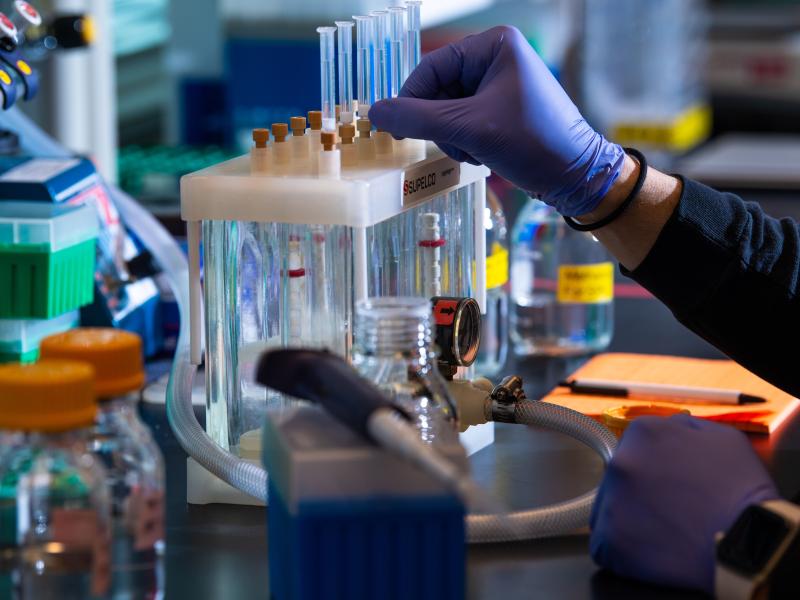
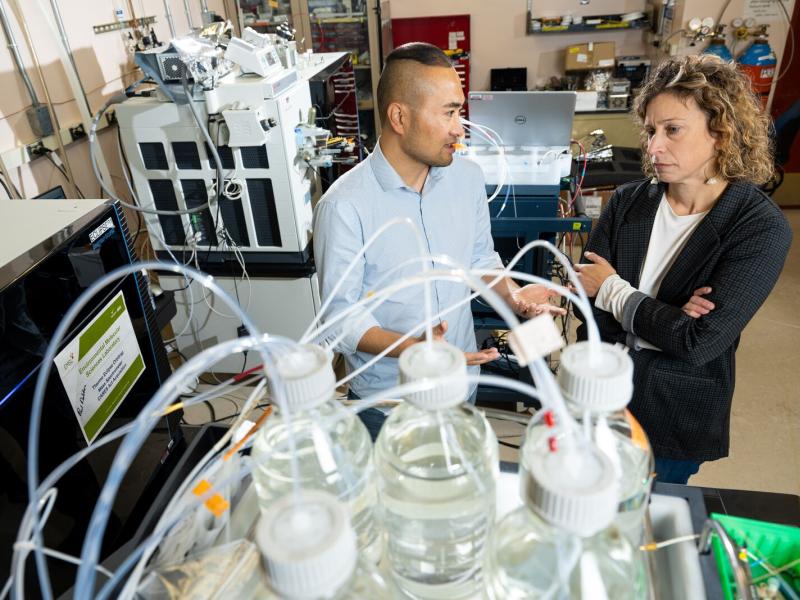
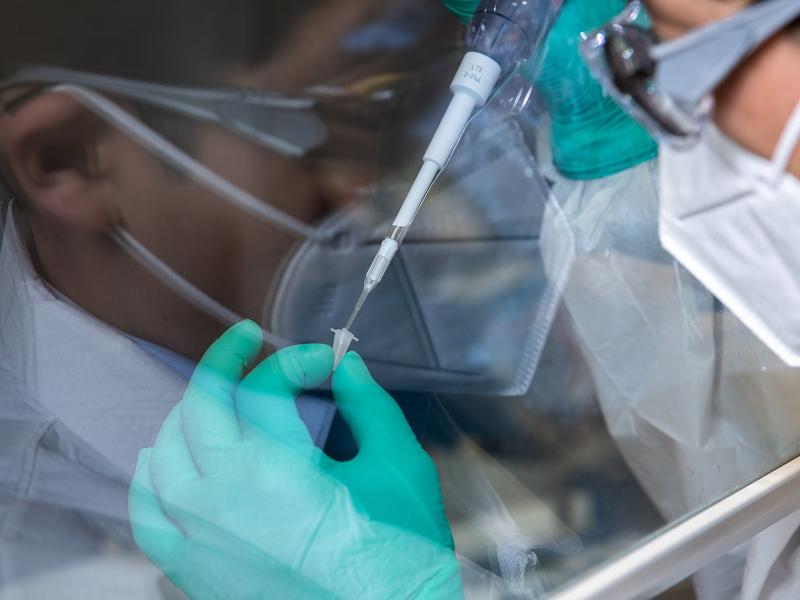
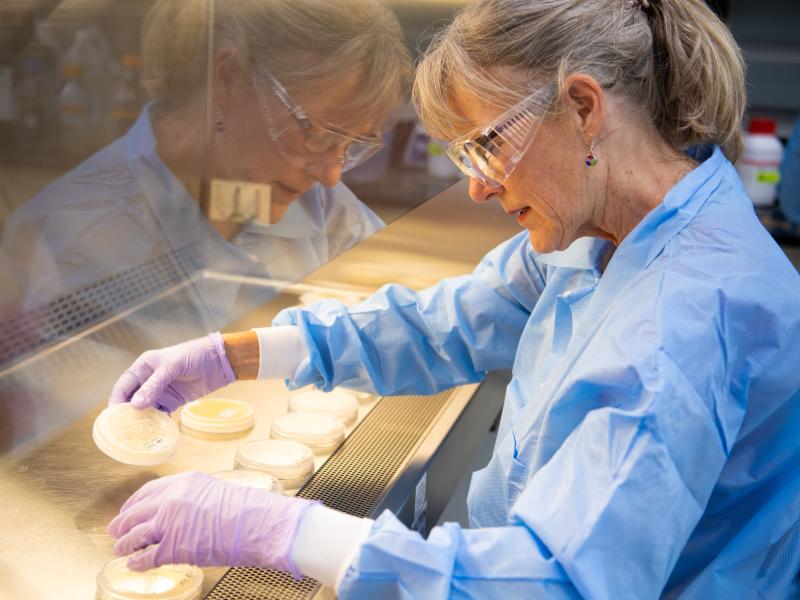
The Biological Sciences Divisionhas 16 collaborative, interdisciplinary teams working to understand how plants, microbes, and algae function in a way that helps predict their response to environmental change and their potential for energy production. Insights into the workings of human tissues reveal how toxins and pathogens could influence human health. Our research inspires biology-based advances to tackle some of the biggest challenges our world faces in ecosystem sustainability and human health. Learn more about how PNNL teams explore these areas using instrumentation that provides large-scale, molecular-level information and computational tools to efficiently process vast amounts of data.
Biological Systems Science
Computational Biology
Integrative Omics
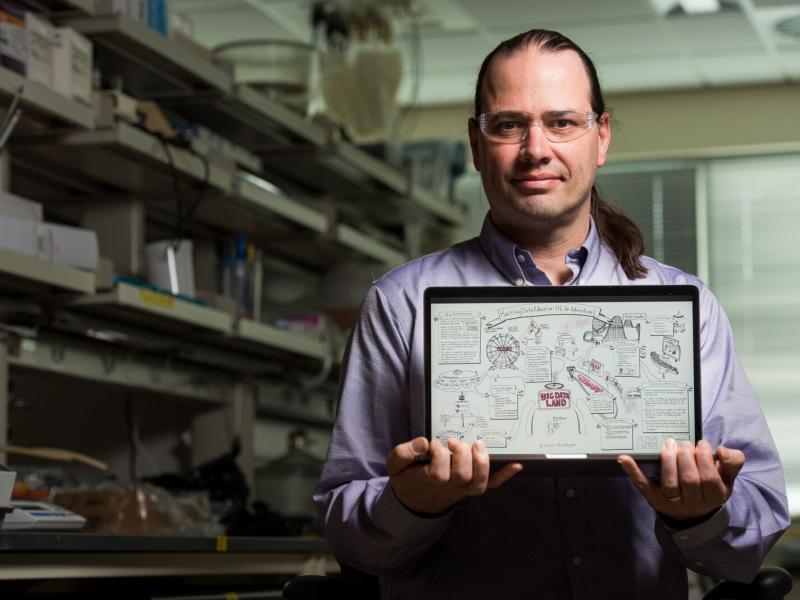
Gosline works to develop computational algorithms that are uniquely targeted for rare disease work by doing foundational research in model system development. This work can be expanded to all model systems in human disease.
New research findings published in Science Advances (November 2022), help explain the progression of Alzheimer-related dementia in each patient. The findings outline a biological classification system that predicts disease severity.
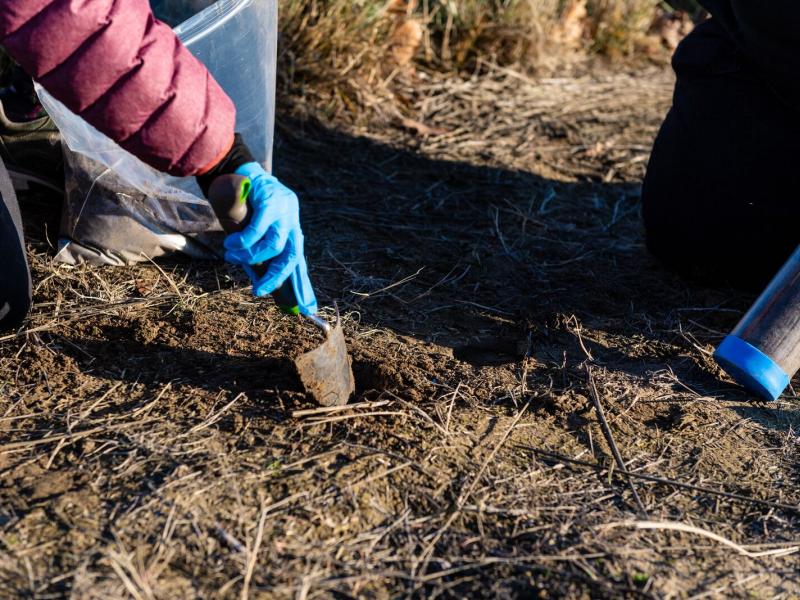
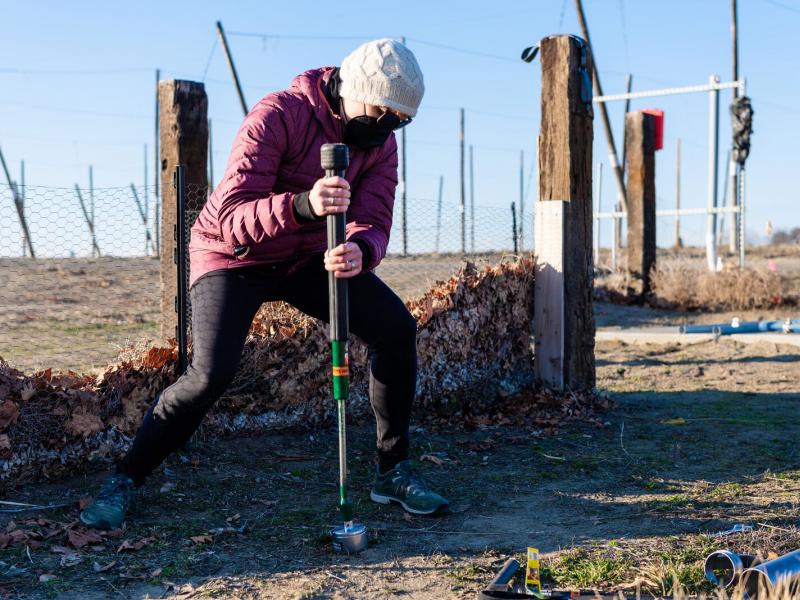
Researchers from the Environmental Molecular Sciences Laboratory are collecting soil cores as part of the 1000 Soils Research Pilot to develop a database of molecular-level data from belowground ecosystems.
The Biological Sciences Division has 16 collaborative, interdisciplinary teams that inspire biology-based advances to tackle some of the biggest challenges our world faces in ecosystem sustainability, bioenergy, human health and national security.